Weeknight recipes: count active time, not just cooking time
Two recipes may both say thirty minutes yet need very different amounts of attention. Look at the time until serving as well as the stages that keep your hands busy.
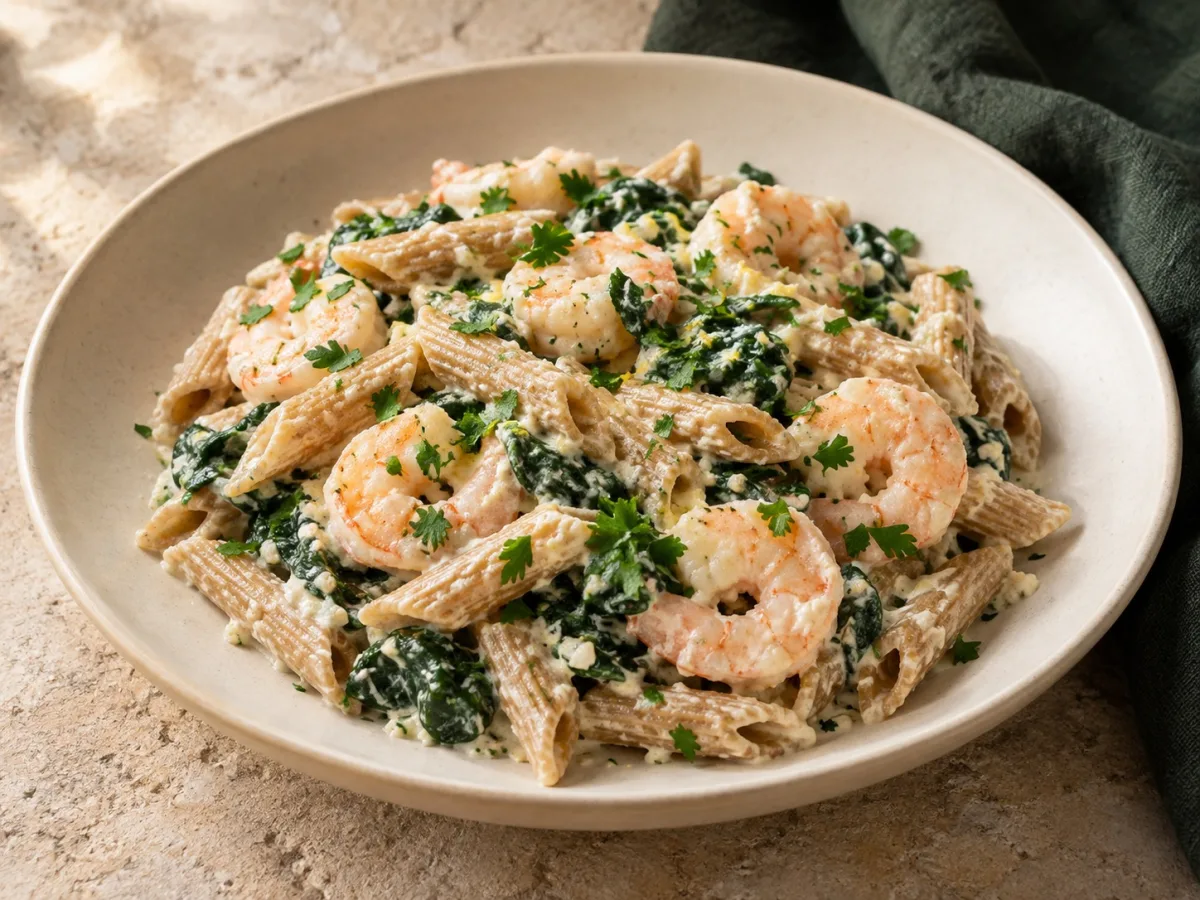
Identify tasks that need your presence
Mark washing, peeling, chopping, mixing, shaping, turning and plating. Cooking can also require continuous attention, such as regular stirring. Waiting time does not automatically mean you can leave: follow the supervision instructions for the recipe and appliances.
Include steps before the advertised timer
Are vegetables already washed? Is water heating? Is the oven preheated? Do you need a utensil or a sauce? List the steps needed from your actual starting point. Allow extra time on a first attempt instead of planning service to the minute.
Draw a short timeline
Fictional planning example, not cooking instructions: 8 minutes of preparation, 20 minutes of cooking and 3 minutes to serve total 31 minutes. A 5-minute sauce can fit during cooking only if the task and equipment allow it. The total then stays 31 minutes; if the sauce must wait until afterwards, it becomes 36 minutes. Use your recipe’s timings and then your own experience.
Avoid overlapping demanding tasks
Look for conflicts such as draining one pan while another needs stirring. Move a task or simplify a side. Limited worktop space or a single pan may prevent a sequence that looks possible on paper. Aim for a comfortable sequence rather than filling every second.
Keep one useful note afterwards
Record start time, serving time and the step that slowed you down. Add a practical note such as preparing the sauce earlier. Related articles below explain cooking order and favourite meal cards. The Yumlean guide adds detailed recipes with estimated macros; adapt actual timings to your equipment and pace.