Roasted fruit: tender bites, a little crunch and a tempting dessert
Fruit for dessert can be more than an apple wedge in a bowl. Contrasting textures—a tender fruit, something creamy and a little crunch—can make it especially enjoyable. Use these ideas to build a dessert you like, without treating it as a miracle food or revealing a recipe from the guide.
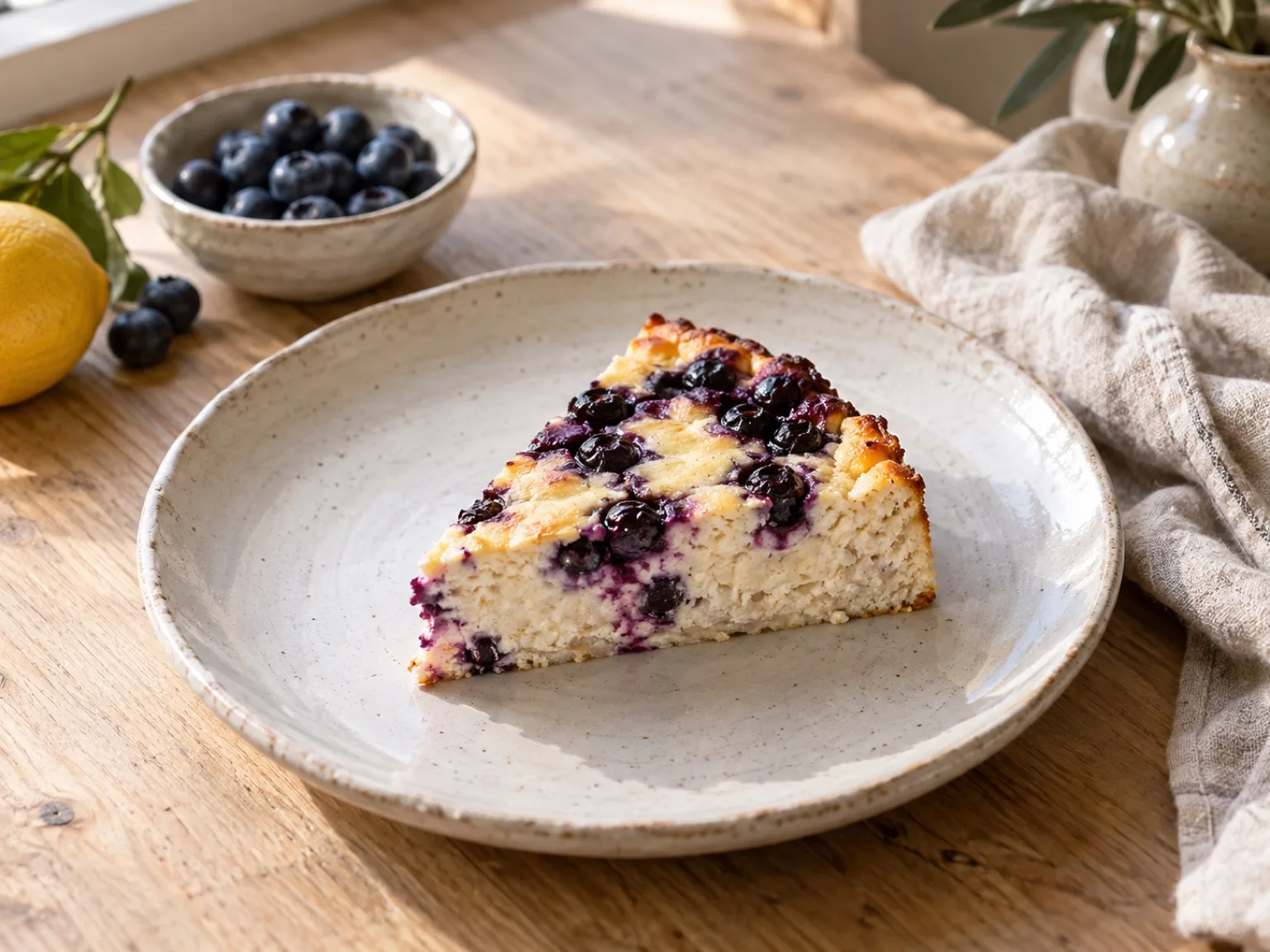
Choose the texture before the toppings
A firm apple and a very ripe pear will behave differently. Decide whether you want distinct pieces or a softer result. Cut pieces to similar sizes so their cooking is easier to follow. Trying one fruit at a time helps you understand its texture before mixing varieties.
Give the fruit room in the dish
Piling up pieces makes cooking and browning harder to monitor. Arrange the fruit in one layer in a suitable dish, following your chosen recipe for temperature and timing. Check tenderness with the tip of a knife as well as colour. If one area browns faster, check the arrangement instead of waiting for every piece to look identical.
Choose one main flavour
Try cinnamon, vanilla or citrus zest as the main aromatic note. Add it gradually so the fruit remains noticeable. Taste before deciding whether to add more sweetness; ripeness, variety and preference all matter. Replacing sugar with honey or syrup does not by itself guarantee a more balanced dessert: it can simply be a flavour choice.
Add crunch just before serving
Chopped nuts or a small oat-based topping can add contrast. Keep the crunchy element separate until serving rather than mixing it into the fruit juices early. Plain yoghurt or fromage blanc can provide a creamy element. Adjust quantities to your preference; several toppings are not essential for an enjoyable result.
Finish simply and keep estimates honest
Serve the fruit with its juices, place the creamy element alongside it and finish with the crunch. A shallow bowl makes it easy to combine the textures in one spoonful. When estimating macros, include the fruit and all additions actually used. Values depend on quantities and products and remain estimates. Explore the journal’s sauce and topping calculation guide, or the Yumlean ebook for detailed recipe ideas.