Fresh or dried herbs: flavour without buying a bunch for every dish
One recipe calls for basil, the next for thyme and another for coriander. Before shopping, consider what the herbs do in the dish. A sauce may only need a little flavouring; a salad made largely from leaves needs a different approach.
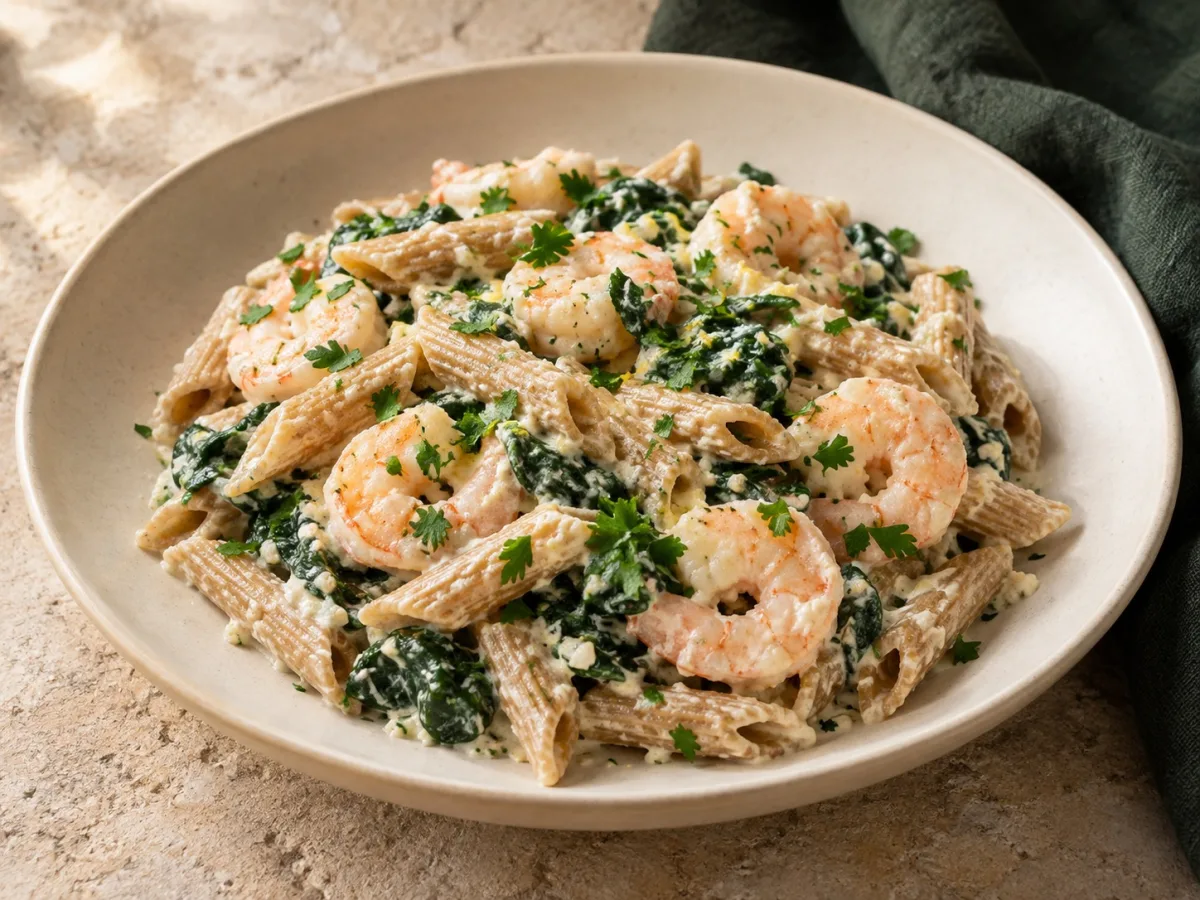
Flavouring or main ingredient?
An herb in tomato sauce mainly changes its aromatic direction. Choose a variation you already enjoy rather than an exact imitation. In parsley-heavy tabbouleh or pesto, leaves also supply bulk and texture. A few dried pinches cannot replace that role: change the dish instead of buying many ingredients just to keep its name.
Start small and adjust
Illinois Extension suggests one teaspoon of dried herbs for one tablespoon of fresh herbs as a starting point. This is a volume guide, not a gram-for-gram rule for every preparation. Strength varies with the herb and product. Add a little, allow the flavour to develop and taste before adding more. The guide concerns dried leaves, not necessarily powders or seasoning blends containing salt.
Three dinner variations
Try dried oregano in tomato pasta when fresh basil is unavailable; it creates a different version. For roast vegetables, use a pantry herb rather than buying a bunch just to match a picture. For a cold yogurt sauce, test the herb in a small spoonful before seasoning the whole bowl. These are assembly ideas, not prescribed meal portions.
Choose when to add it
Health Canada recommends adding dried herbs near the start of cooking to allow their flavour to release. Stir them into a simmering sauce instead of only sprinkling them over the finished plate. Delicate fresh leaves can finish a dish when you want their freshness. A visible garnish serves a different purpose from herbs dispersed throughout a sauce.
Compare what you will actually use
A large packet is useful only if you use it. Identify two dishes for the same herb before shopping and check your cupboard first. Compare local prices rather than assuming dried is always cheaper. A bunch used fully across meals can be worthwhile; a small dried jar may suit a flavour you cook less often. Match purchases to your habits.
Keep your favourite variation
Record the herb and amount you actually added. Recipe macros remain estimates that should reflect the ingredients used; culinary swaps do not guarantee nutritional equivalence. Follow the links below for budget pesto and creamy sauce ideas. The Yumlean guide adds detailed preparations with portions and estimated macros.
Illinois Extension — Using Fresh Herbs in the Kitchen
Santé Canada / Health Canada — Fresh and dried herbs