Protein-focused meals: how to read a recipe’s macros
Macros means protein, carbohydrates and fat. On a recipe page, they describe the composition of a dish. To read them properly, start with one simple question: how much food do the displayed figures refer to?
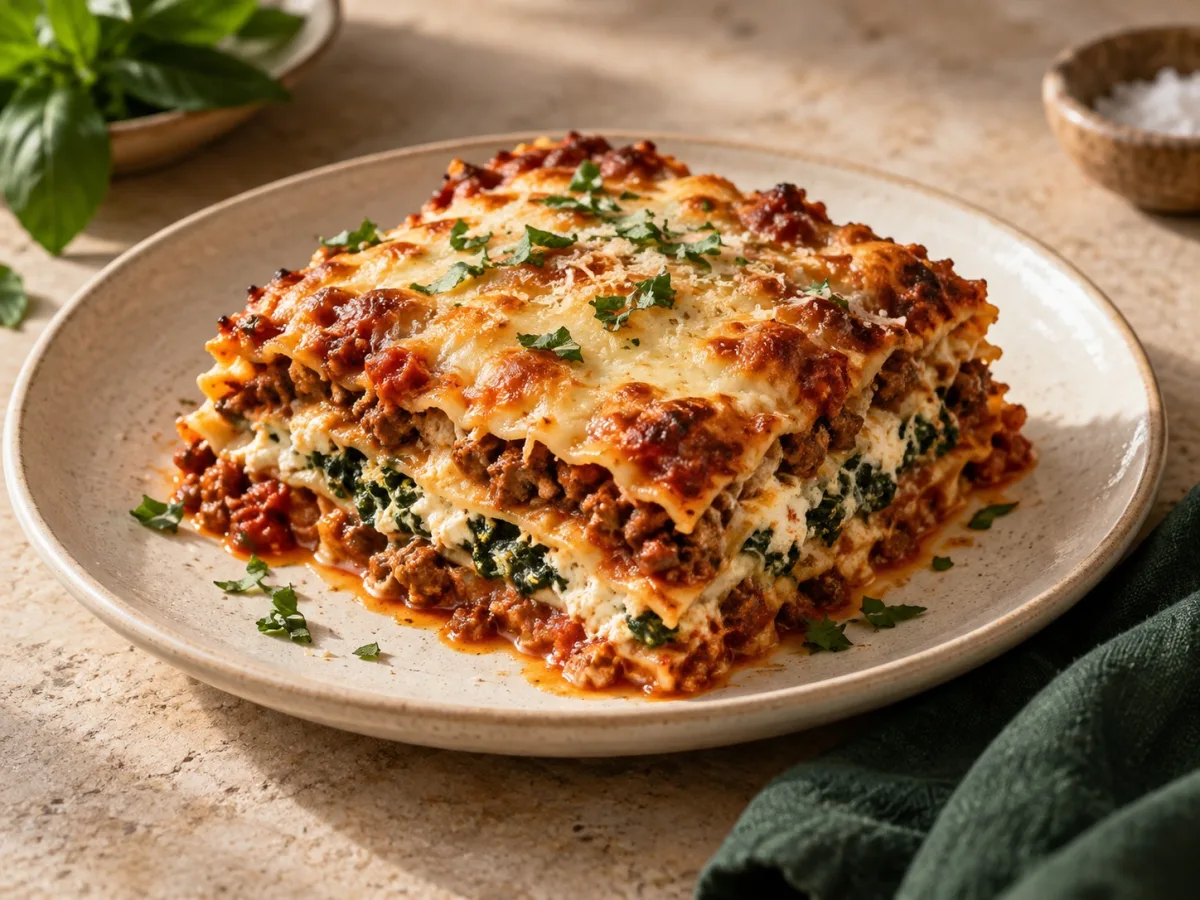
One serving may not be the whole dish
A recipe can make several servings. Values per serving do not necessarily describe everything in the baking dish. Check the stated yield and divide the food accordingly. When comparing recipes, use the same basis: one serving of each, taking their size into account, or an equal quantity where that information is available.
Raw and cooked weights are different references
An ingredient list may specify weight before or after cooking. Follow the recipe’s instructions, particularly for pasta, rice and drained foods. Remember accompaniments too: a sauce, topping or drink added to the meal is not automatically included in the recipe’s figures.
Swaps can change the numbers
Replacing one product with another does not guarantee the same macros. For yoghurt, for example, compare labels for equal quantities and check whether the texture suits the dish. A cheaper option can be practical without being nutritionally identical. If you change ingredients or amounts, the original figures remain only a reference point.
Cooking reference points, not a prescribed target
The estimates in the Yumlean guide accompany actual recipes and defined servings. They do not set your individual requirements or replace personalised advice. Choose from dishes with meat, fish or vegetarian ingredients, then pick what suits your tastes and routine. Full recipe pages and preparation videos are available in the ebook.