Raw or cooked weight: the detail that changes your macro calculation
Weighing a cooked portion but entering values for a dry product produces an inconsistent calculation, even with accurate scales. Match the state of the food you weigh to the state described by your nutrition source.
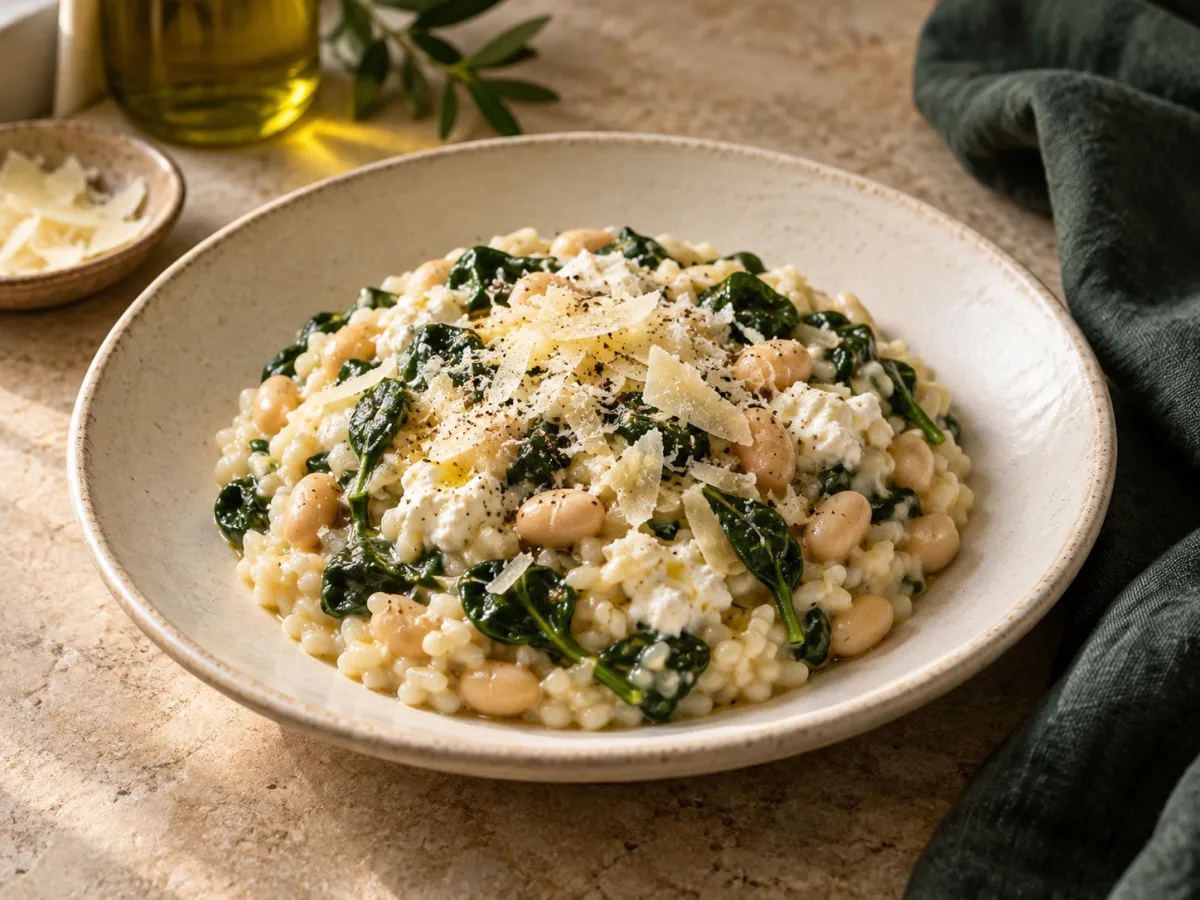
Why weight changes
Preparation can change water content, and some cooking methods also involve fat losses or additions. USDA research on cooking yields considers these changes. A change in weight does not mean every nutrient changed by the same proportion.
Read the description first
Check terms such as dry, raw, cooked, drained, with fat or without fat. On packaging, check whether values refer to the product as sold or prepared as instructed. A generic ready-made dish entry may not match your homemade version. Find a clearer entry when the description is ambiguous.
Keep the weight and reference consistent
Use dry-food values with a dry weight, or cooked-food values with a cooked weight and a closely matching preparation. Avoid a universal multiplier for raw-to-cooked conversions: your cooking yield can vary. A note such as “cooked, drained, without sauce” helps you remember the basis of the measurement.
A fictional example
Imagine an entry listing 30 g carbohydrate per 100 g of a cooked food. For 150 g of that same cooked food, the estimate is 30 × 150 ÷ 100 = 45 g carbohydrate. These invented numbers illustrate the arithmetic; they are not values for a particular rice, pasta or recipe. If the 150 g were weighed dry, the entry is unsuitable. Changing only the weight cannot fix the wrong reference.
Avoid double counting additions
For a plain-food entry, include sauce, oil or cheese separately when actually added. For an entry already describing a dish with sauce, check what it includes before adding ingredients again. These remain estimates rather than an analysis of your plate. Explore the journal for nutrition-label and topping guidance, or the Yumlean guide for detailed recipes with portions and estimated macros.