Sauces and toppings: how to include them in your macros
A drizzle of sauce, a few nuts or some cheese can make a dish especially enjoyable. Including these additions in an estimate is more useful than simply removing them. Here is a practical method with a fictional example, without suggesting that every meal needs to be weighed.
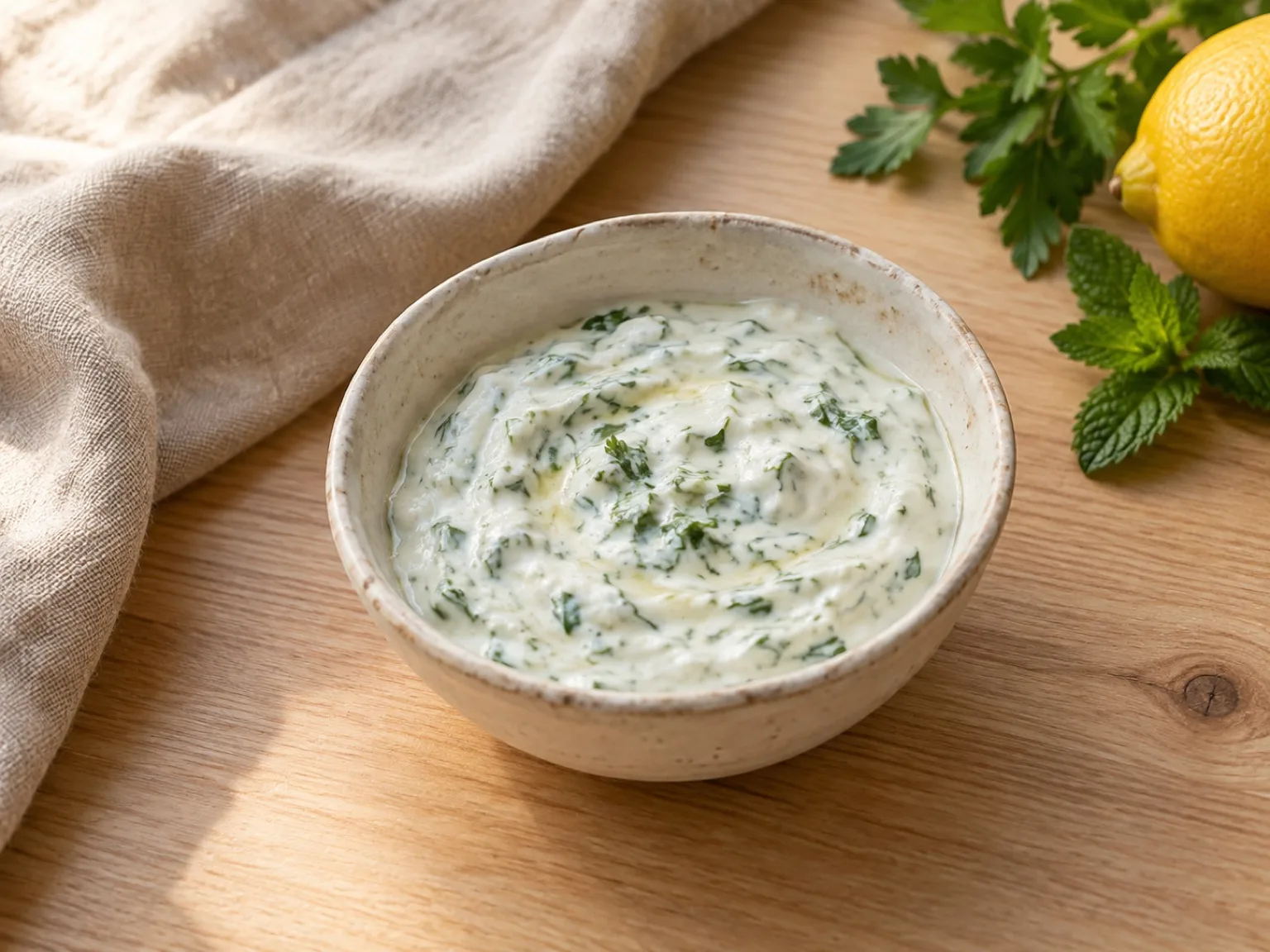
Start with what you actually add
Write down each sauce ingredient and the quantity used: yoghurt, oil, seed butter, cheese or another base. Keep toppings separate because servings may differ. For packaged ingredients, use the nutrition values on their own labels. A spoonful can vary in size; weighing your usual amount once can provide a useful reference.
Calculate the batch, then your serving
Multiply each ingredient’s value per 100 g by the grams used, then divide by 100. Add the results separately for protein, carbohydrate and fat to estimate the whole sauce. Four equal servings of a thoroughly mixed sauce each contain a quarter of that total. For unequal servings, weigh the finished sauce and the amount served: divide the serving weight by the total weight.
An example, not a recipe
Imagine a 240 g batch whose calculated totals are 12 g protein, 16 g carbohydrate and 20 g fat. A 60 g serving is 60 ÷ 240, or one quarter: approximately 3 g protein, 4 g carbohydrate and 5 g fat. These numbers are fictional and only demonstrate the arithmetic. They do not describe a particular recipe in the guide. Any sauce left in the bowl should not automatically be counted as part of your meal.
Keep toppings separate
Count the nuts, seeds or cheese actually added to your plate, then combine those values with the dish and sauce estimates. A simple note with three entries—base dish, served sauce and added topping—can help prevent double counting an ingredient already included in a recipe. When substituting an ingredient, use its own label instead of keeping the original result.
Use estimates as a practical reference
Declared nutrition values are averages, and estimates also depend on brands, weighing and actual distribution. Round sensibly and label shared figures as estimates. Flavour still matters: taste your sauce, adjust its texture and serve an amount that suits you. Explore the journal for creamy sauce ideas and affordable substitutions, or the Yumlean guide for enjoyable recipes with portion guidance and estimated macros.
DGCCRF — Déclaration nutritionnelle sur les denrées alimentaires