One dish, different servings: estimating macros per portion
Dividing every recipe by four does not describe unequal servings. Separate the dish’s total macros, its finished weight and the amount served. The result remains an estimate.
Calculate the preparation total
Add values for actual ingredient amounts using product labels or a suitable composition table. Match raw weights to raw entries. Include mixed-in sauce and added oil. If some is drained or left in the pan, an ingredient-based total can overestimate what is eaten; note that limitation rather than inventing a correction.
Weigh the finished food without its container
For a reasonably uniform mixture, find the final edible weight after subtracting the container. Use suitable equipment and follow its instructions, including for hot food. Apportion the total using this finished weight, not summed raw weights. Any topping added afterwards must be included in an updated total or counted separately.
A fictional arithmetic example
Assume a uniform 1,000 g dish contains 80 g protein, 160 g carbohydrate and 40 g fat in total. A 250 g serving is 25%: approximately 20 g protein, 40 g carbohydrate and 10 g fat. A 350 g serving is 35%: approximately 28 g, 56 g and 14 g respectively. These invented numbers illustrate arithmetic, not a guide recipe or a recommended serving size.
Recognise uneven dishes
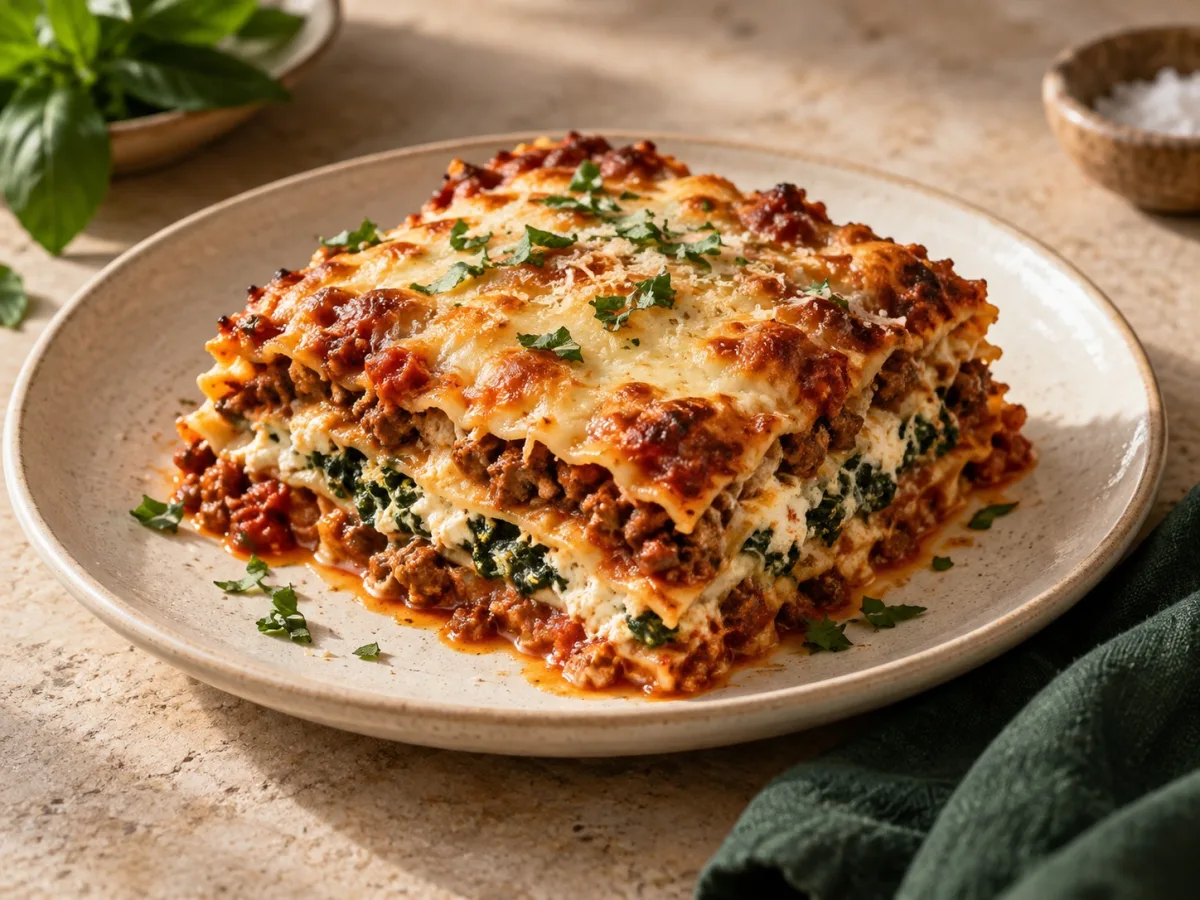
Weight-based allocation assumes the serving resembles the whole dish. Two equally heavy bowls can differ if one contains more chicken and less rice. For separately served components, estimate rice, chicken, vegetables and sauce individually, then add them. Uneven chunks or cheese in a bake also leave uncertainty.
Count finishing touches once
Cheese, sauce or seeds added at the table need adding to your serving if excluded from the dish total. Do not count an already incorporated sauce again. A short note on what your calculation includes helps avoid double counting next time.
Keep the estimate practical
Food composition figures are averages and distribution is imperfect. Round results to avoid false precision. The journal also covers raw versus cooked weights and sauces. With the Yumlean guide, start from the specified portions and adapt estimated macros when changing quantities or ingredients. This calculation does not determine personal nutritional needs.